Skip trowel
Heavier drywall texture. 3/4–1 in nap.
6 published entries.
Choose brushes and roller covers for wall paint, enamels, primers, and stains using my field selections. Includes shared nap tables for drywall, cedar, stucco, and smooth finishes, plus frame choices, mini rollers, water-based cleanup, storage, and replacement checks.
Entry002
Preparing and Painting New Drywall
A good new-drywall paint job begins before the primer goes on. Identify the finish, inspect the entire job, and resolve the preparation work. Then keep inspecting as each stage is completed.
Entry003
Repainting Previously Painted Interior Walls
An interior repaint starts with the condition of the existing room: investigate damage, remove what is failing, repair and clean the surface, spot-prime where needed, and apply two finish coats. Sound existing paint does not automatically require a full coat of primer.
Entry004
Interior Painting Techniques and Guidelines for a Paint Crew
The method I teach my crew: protect the room, establish a station, work from the top down, keep tools loaded, paint into the wet, and inspect throughout. Includes the second-coat caulk seal on the tape edge and how it differs from manufacturer directions.
Entry 006
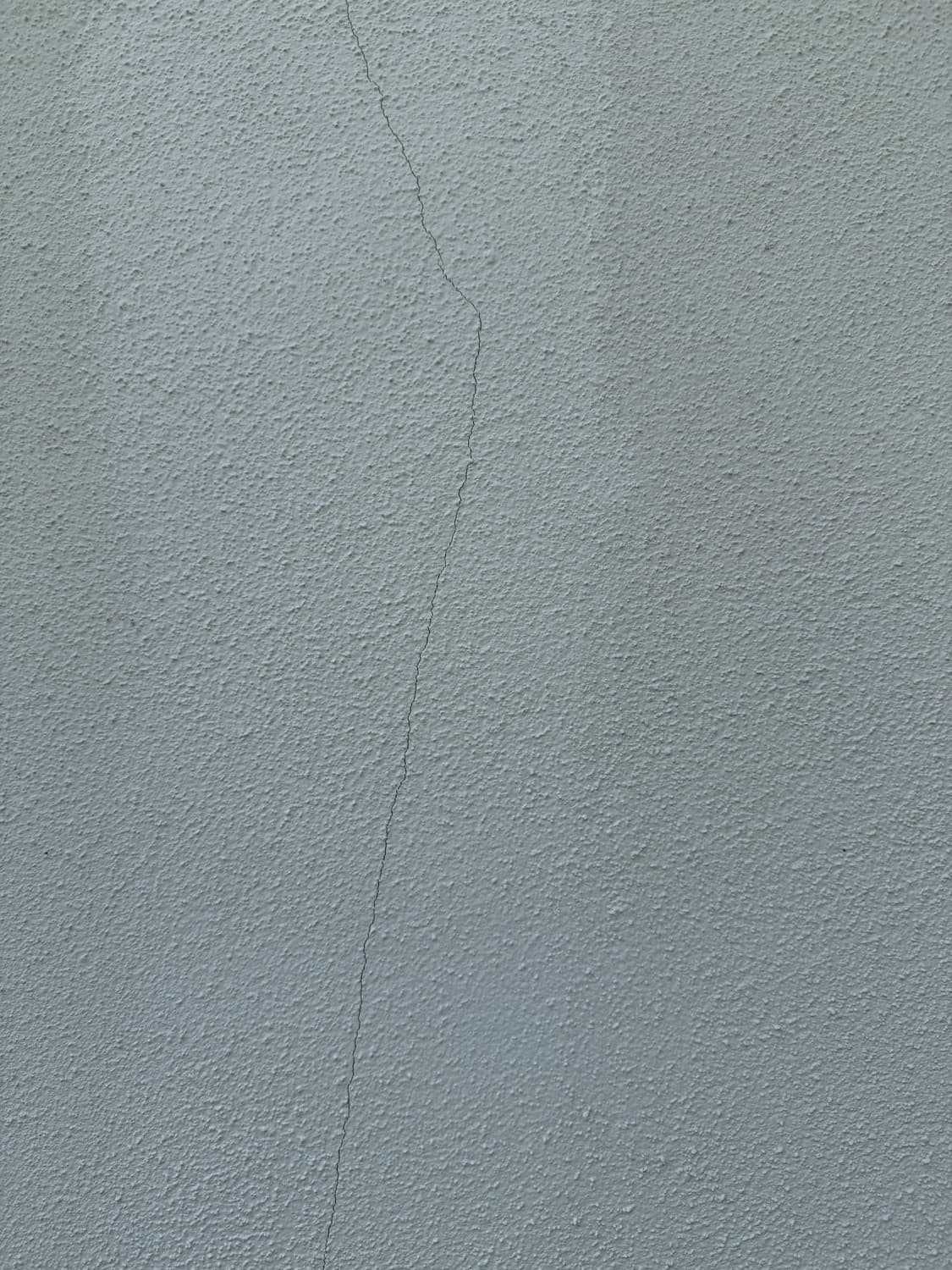
Preparing and Repainting Exterior Stucco
Inspect the wall before choosing the coating. A small crack in firm stucco can call for a localized repair; movement or loose material can point to a problem that painting will not solve. This guide follows my residential repaint practice in Florida, from inspection through patching, conditioning, application, and final checks.
Entry 012
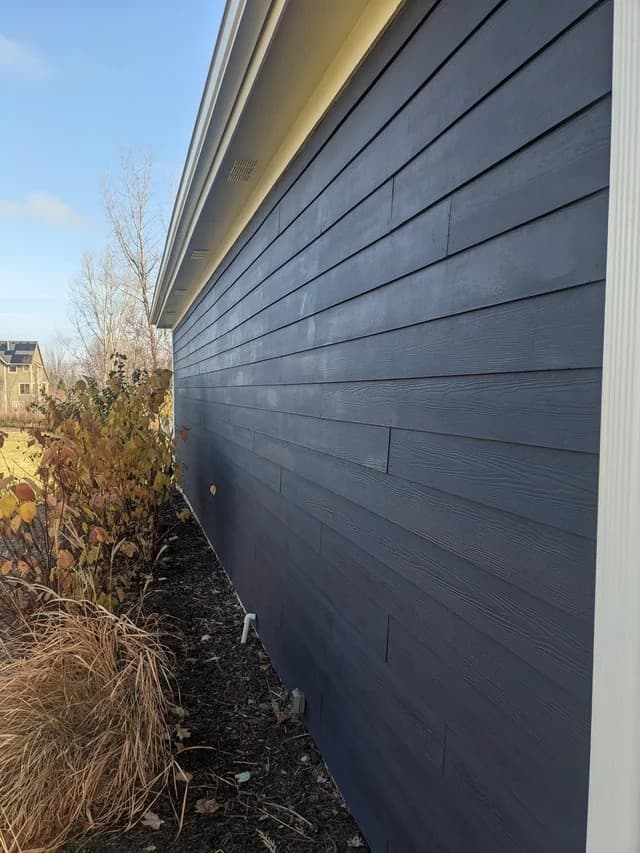
Diagnosing and Correcting Paint Flashing
Troubleshoot flashing, uneven paint, and a blotchy finish on painted vinyl siding and interior walls. Learn to level repairs, match texture, correct cut-in bands, repaint corner to corner, and inspect the dried result.